Community Service
Community service is an integral part of student development, providing opportunities to apply knowledge and skills for the benefit of society. Through various outreach activities, students engage with local communities, promote social responsibility, and contribute to meaningful causes. These experiences foster leadership, teamwork, empathy, and a deeper understanding of societal needs, helping students develop into responsible professionals and active citizens committed to making a positive impact.
Helping Workers and Promoting Safety Awareness
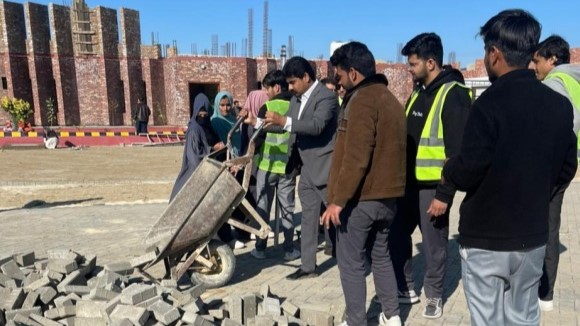
As part of the community service program conducted on 12 January 2026, students participated in an activity aimed at assisting campus workers and promoting workplace safety awareness. The initiative involved supporting workers in tasks such as cleaning, organizing materials, and maintaining campus facilities while fostering a spirit of cooperation and mutual respect.
During the activity, students also shared important safety guidelines, emphasizing the use of personal protective equipment (PPE), safe lifting techniques, and the importance of maintaining a clean and organized work environment. Through direct interaction with workers, students gained valuable insights into the dignity of labour, teamwork, communication, and social responsibility.
The activity created a positive impact by encouraging safety awareness among workers while helping students develop empathy, leadership skills, and a greater appreciation for the contributions of support staff. Overall, the experience reinforced the values of equality, respect, and community engagement, highlighting the importance of serving society through meaningful action.
Emergency & Safety Analysis of Civil and Computer Science Departments
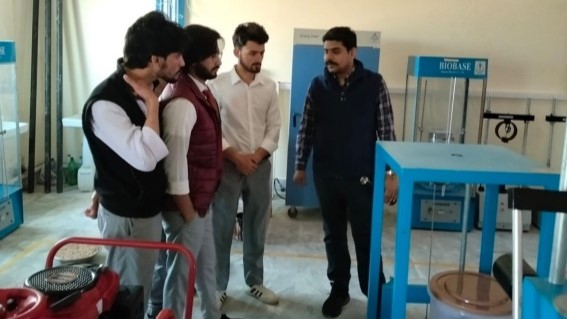
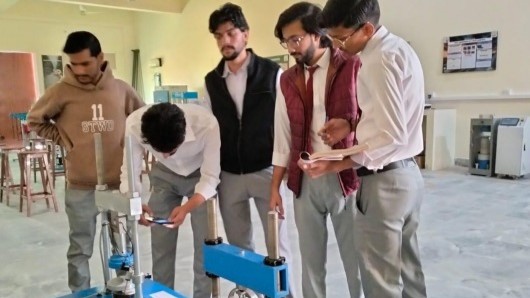
As part of the community service program at TIEST Tharparkar, students conducted a comprehensive laboratory safety assessment to identify potential hazards and promote a safer learning environment. The activity involved visiting various Civil Engineering laboratories, including Surveying, Soil Mechanics, Materials, and Fluid Mechanics labs, to evaluate risks associated with laboratory instruments, machinery, and equipment.
Students analyzed potential hazards such as crushing risks, high-pressure systems, rotating machinery, electrical dangers, hot surfaces, flying objects, and slip hazards. Based on their observations, they recommended appropriate warning signs, caution labels, and safety stickers for different instruments and work areas. The activity also emphasized the importance of Personal Protective Equipment (PPE), including safety helmets, gloves, boots, goggles, and protective clothing.
Through this initiative, students gained practical knowledge of hazard identification, risk assessment, laboratory safety management, and the effective use of safety signage. The project enhanced awareness of workplace safety standards while promoting teamwork, responsibility, and a proactive approach to accident prevention. The activity highlighted the importance of maintaining safe engineering laboratories to ensure the well-being of students, faculty, and laboratory staff.
Plantation Activity for Environmental Sustainability
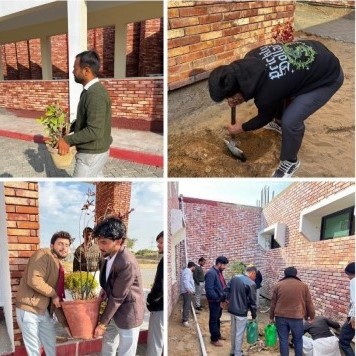
As part of the Community Service Program, students participated in a plantation activity aimed at promoting environmental awareness and encouraging sustainable practices. Under the guidance of faculty members, students actively engaged in preparing planting sites, planting saplings, and learning proper techniques for nurturing young plants.
The activity emphasized the importance of trees in maintaining ecological balance, improving air quality, reducing pollution, and creating a healthier environment. Through hands-on participation, students developed a deeper understanding of environmental conservation and their responsibility toward protecting natural resources.
The plantation drive also fostered teamwork, cooperation, and community engagement, as students worked together to contribute positively to the campus environment. This meaningful initiative not only enhanced awareness about environmental sustainability but also encouraged students to take practical steps toward building a greener and more sustainable future.
Emergency Assembly Point Identification Activity
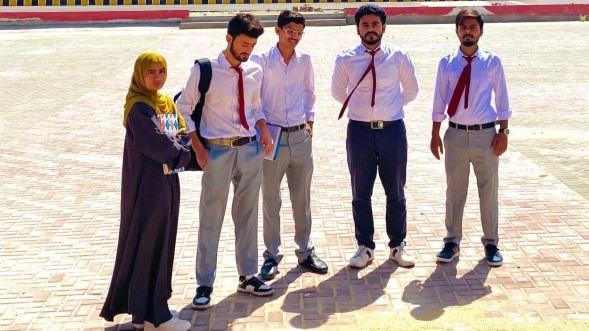
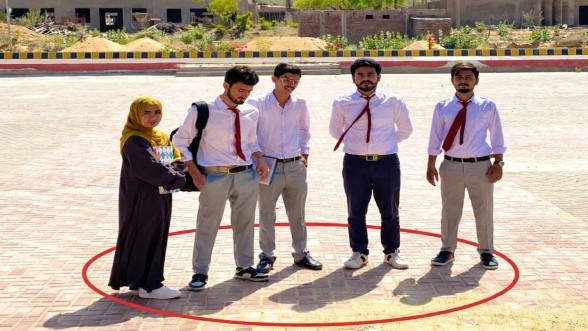
As part of the Community Service Program, students participated in an emergency preparedness and safety planning activity focused on identifying suitable assembly points within the campus. The objective of the initiative was to enhance awareness of emergency management practices while developing teamwork, leadership, and decision-making skills.
Working collaboratively in groups, students surveyed various locations across the campus and evaluated them based on accessibility, safety, capacity, and distance from potential hazards. Through careful observation and discussion, they identified appropriate assembly points that could be used during emergencies such as earthquakes, fires, or other unforeseen incidents.
The activity provided students with practical exposure to basic emergency planning and risk assessment concepts. It also strengthened their ability to analyze real-life situations, work effectively in teams, and contribute to creating a safer campus environment. Overall, the experience highlighted the importance of preparedness, safety awareness, and collective responsibility in protecting the well-being of the university community.
Land Cleaning and Preparation Activity
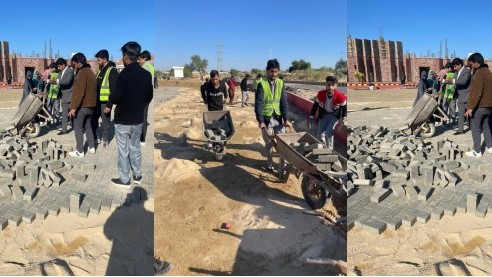
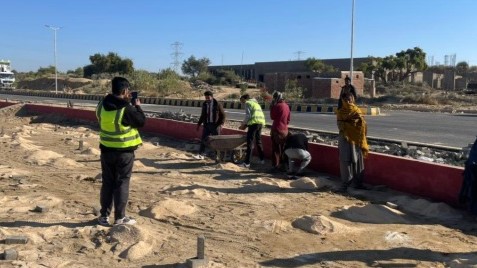
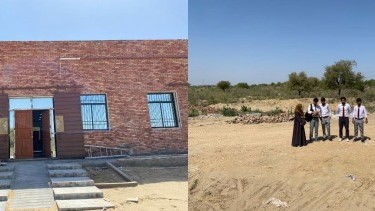
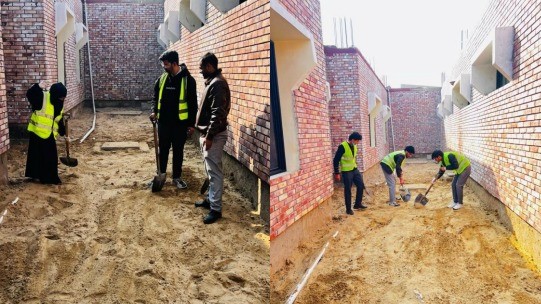
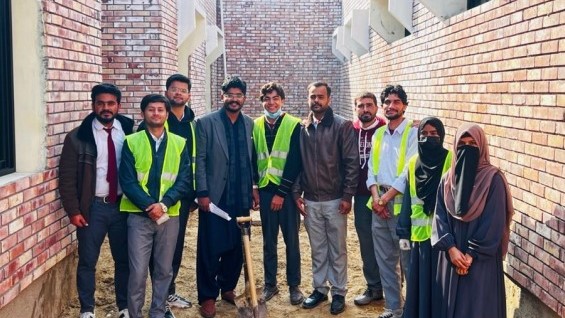
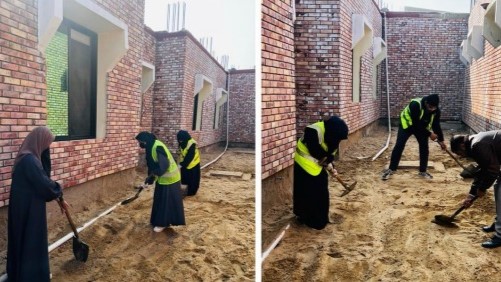
As part of the Community Service Program, students actively participated in a land cleaning and preparation activity aimed at improving campus greenery and supporting future plantation efforts. The activity was conducted under faculty supervision, with students divided into groups to carry out different environmental tasks in an organized manner.
One group was assigned the responsibility of cleaning and preparing the land for future plantation. The team worked diligently to remove waste materials, including stones, dry leaves, and garbage, and carefully leveled the soil to make it suitable for planting. This preparation was essential to ensure healthy soil conditions for upcoming plantation activities.
The activity also included plant care and watering tasks carried out by other students, highlighting the importance of regular maintenance in sustaining plant growth. Through collective effort, discipline, and teamwork, students contributed to creating a cleaner and greener campus environment.
Overall, the activity provided practical learning about environmental care, land preparation techniques, and the importance of maintaining greenery, while also strengthening cooperation and responsibility among students.
Tree Plantation at Department of Civil Engineering
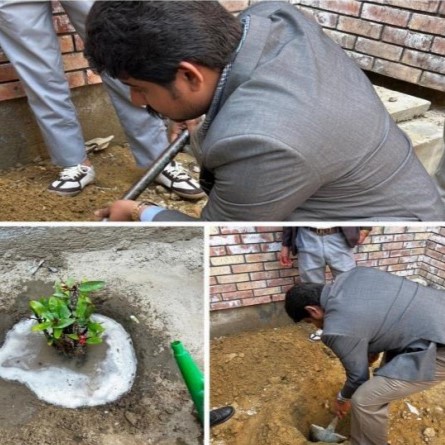
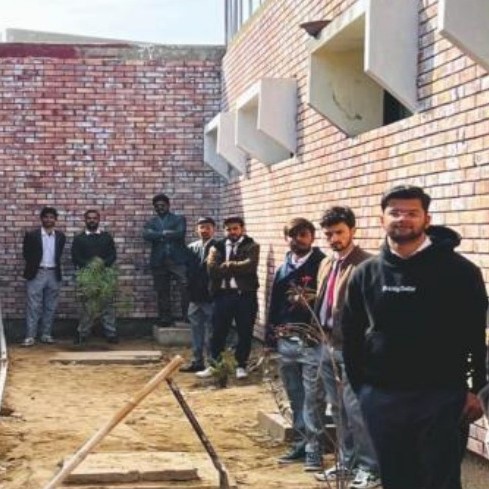
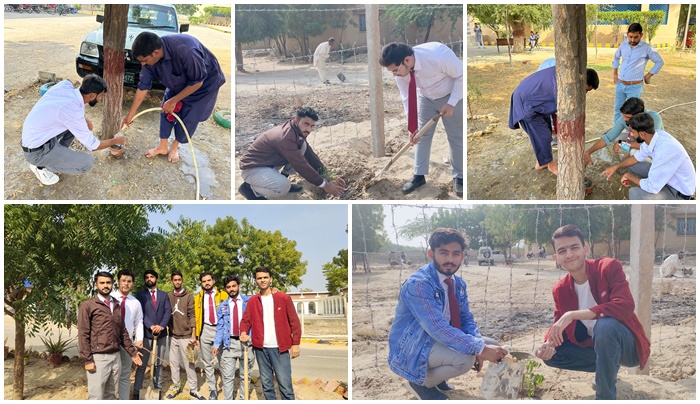
As part of the Community Service Program, a tree plantation activity was organized within the Department of Civil Engineering to promote environmental sustainability and enhance the campus greenery. Students actively participated in planting saplings in designated areas of the department under the guidance of faculty members.
The activity aimed to raise awareness about the importance of trees in maintaining ecological balance, reducing pollution, and improving the overall campus environment. Students prepared planting pits, carefully placed saplings, and ensured proper watering to support healthy growth.
This initiative encouraged teamwork, responsibility, and environmental consciousness among students while contributing to a cleaner and greener academic environment. The plantation activity reflects the department’s commitment to sustainability and its efforts to promote eco-friendly practices within the campus.
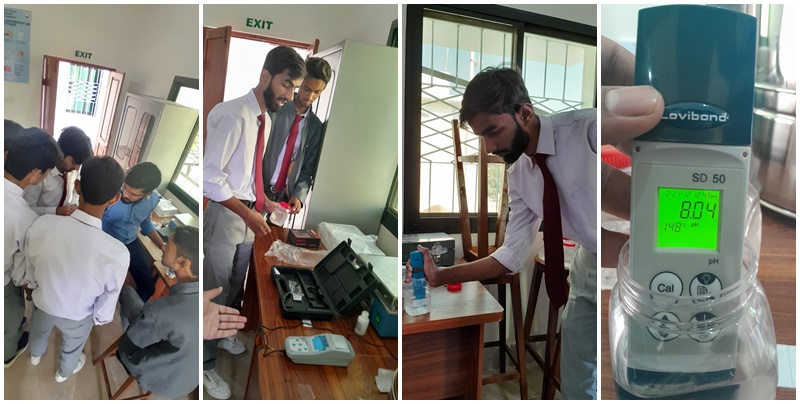
Purification testing of water
As part of the Community Service Program, students conducted a water purification testing activity to understand basic principles of water quality assessment and environmental health. The activity focused on examining water samples to identify physical characteristics such as color, odor, and clarity, as well as understanding the importance of safe drinking water for public health.
Students learned about common water contaminants and the role of purification methods in ensuring clean and safe water for consumption. The activity also highlighted the significance of regular water quality monitoring and its impact on preventing waterborne diseases. Through this hands-on experience, students developed greater awareness of environmental engineering concepts and the importance of providing access to clean water in communities.